
A ramp is simply “a surface connecting a higher and lower level” - but the right ramp gives safety, independence and freedom.
Whether you need to manage a single step at home or provide full access for wheelchairs and scooters, we'll work with you to choose, supply, install and maintain the best solution for your needs.
Ramps play a vital role in improving safety and accessibility for people with a wide range of mobility needs. They support both short-term and long-term requirements and can be used across many different settings. Below, we outline who may benefit from a ramp, as well as environments where ramps can provide essential access.
Ramps may be essential or highly beneficial for:
Older people, who may find it increasingly difficult negotiating obstacle, putting them at risk of falls
People with limited mobility, including those with arthritis, balance issues or weakness
People with long-term health conditions or disabilities, including neurological or progressive conditions.
Individuals recovering from surgery or injury, who require temporary support during rehabilitation
Rollator or wheelchair users, who require step-free access for safe and independent movement
Mobility scooter or powerchair users, particularly where thresholds, kerbs or doorsteps limit access
Carers and family members - by making assisted movement safer and reducing the risk of strain or injury
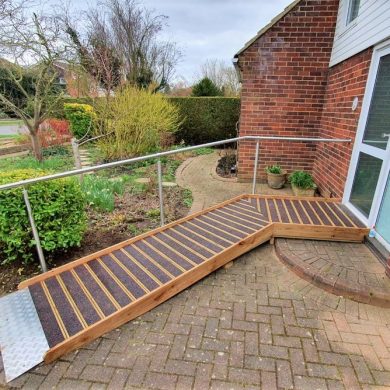
Ramps improve access and safety across a wide range of environments, including:
Ordinary homes, such as front entrances, back doors, garden access, internal level changes, and thresholds.
Flats and apartment buildings, where shared entrances and communal areas require step-free access.
Healthcare settings, including GP surgeries, clinics, and care homes.
Workplaces and offices, ensuring employees and visitors can enter safely and independently.
Retail premises and high streets, supporting inclusive access for customers.
Schools, colleges, and universities, enabling equal access to education facilities.
Temporary settings, such as events, portable buildings, and short-term installations.
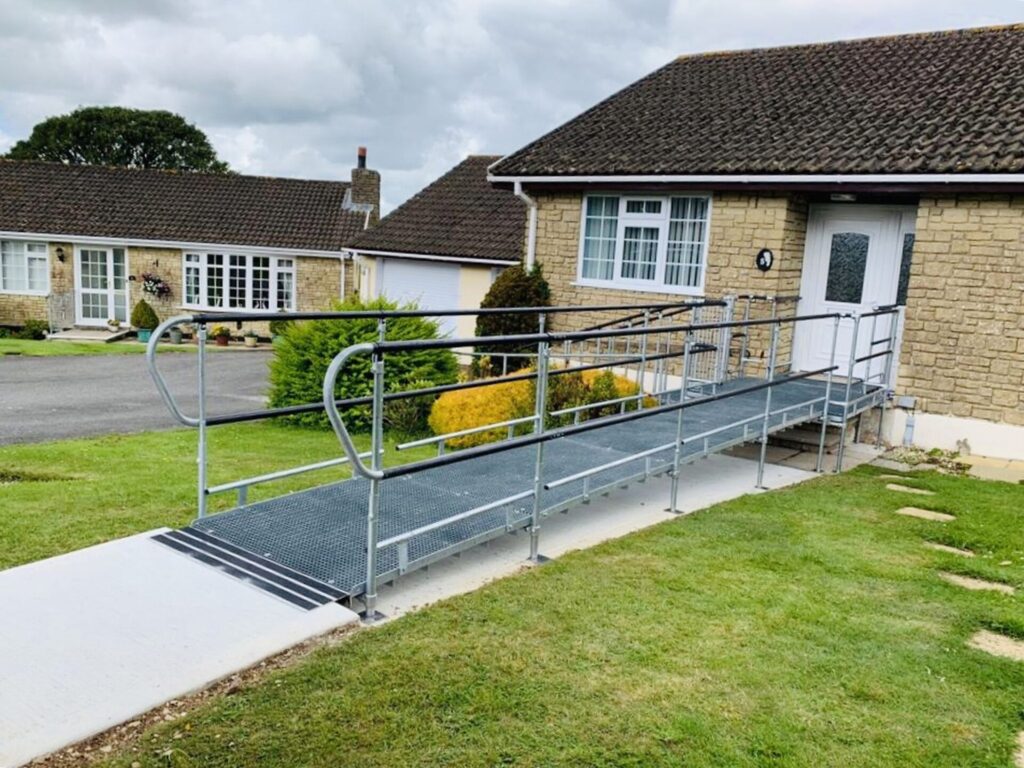
Whether the requirement for a ramp is short-term or lifelong, a professionally selected and fitted ramp can reduce the risk of falls, and support independence.
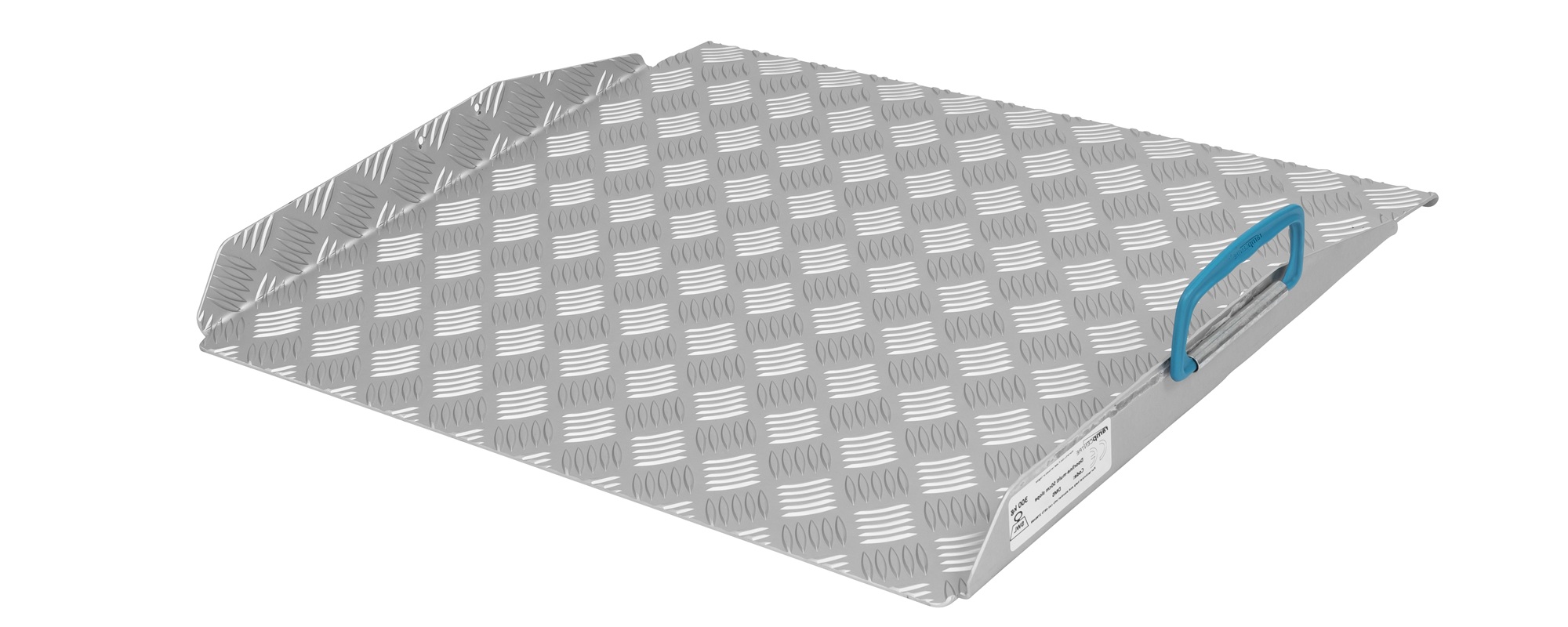
Ramps generally fall into three broad categories:
Portable
These are lightweight and easy to move; ideal for short-term use, temporary access, travel or when you need a ramp in more than one place. These are the ramps that you can buy as retail items. Examples include:
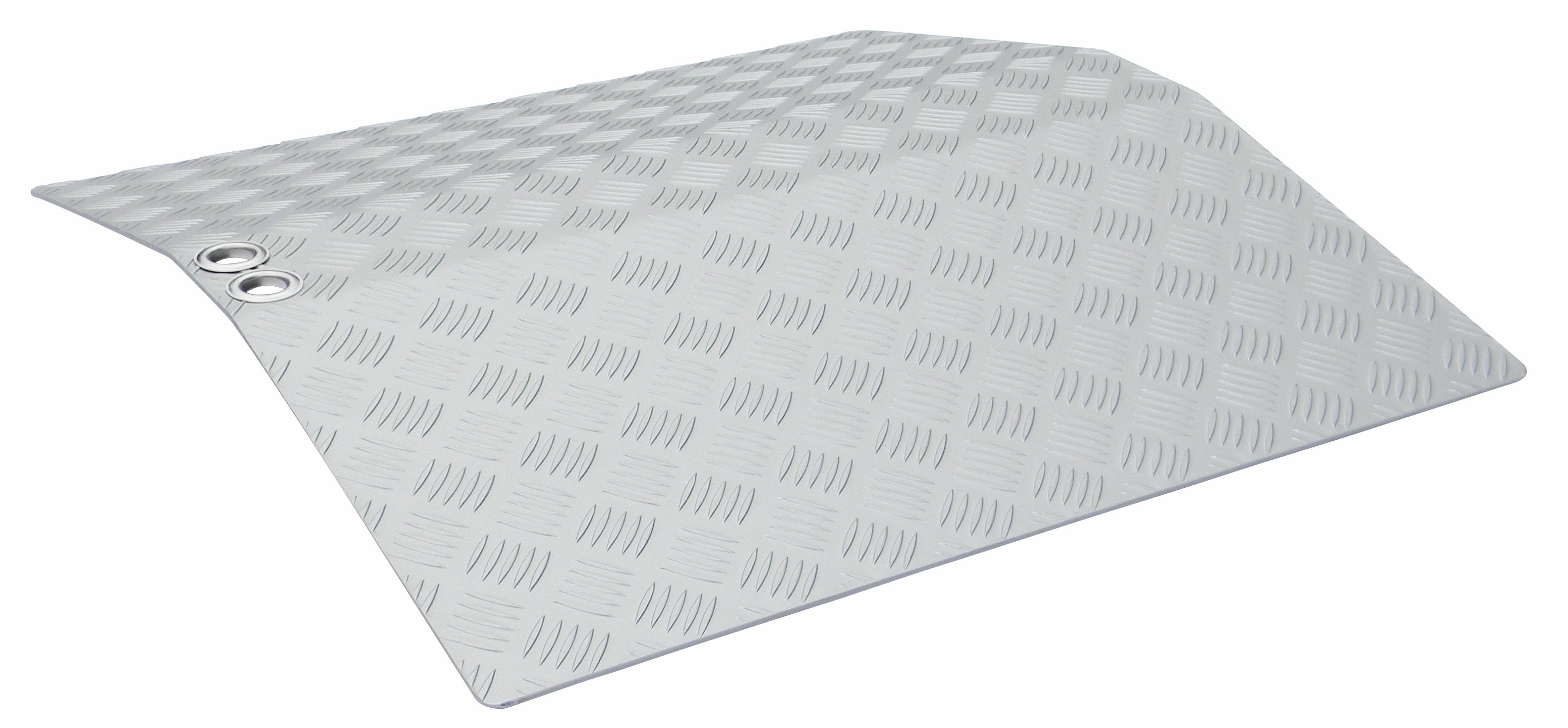
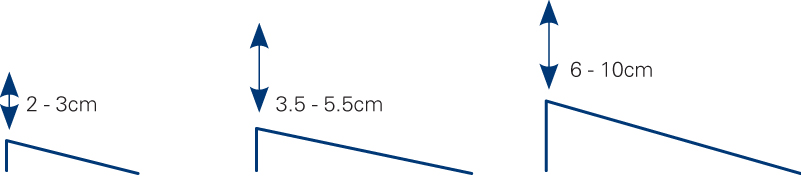
Threshold ramps - small, compact ramps for bridging door thresholds (often up to 120mm). They are great for home doorways and for improving access over a single step.
Rubber ramps - these are durable, so they can be left in place, but heavy to move. Made from weather-resistant rubber they are suitable in a variety of situations. Available in a number of sizes and can be cut to obtain an exact fit.
Threshold Ramp
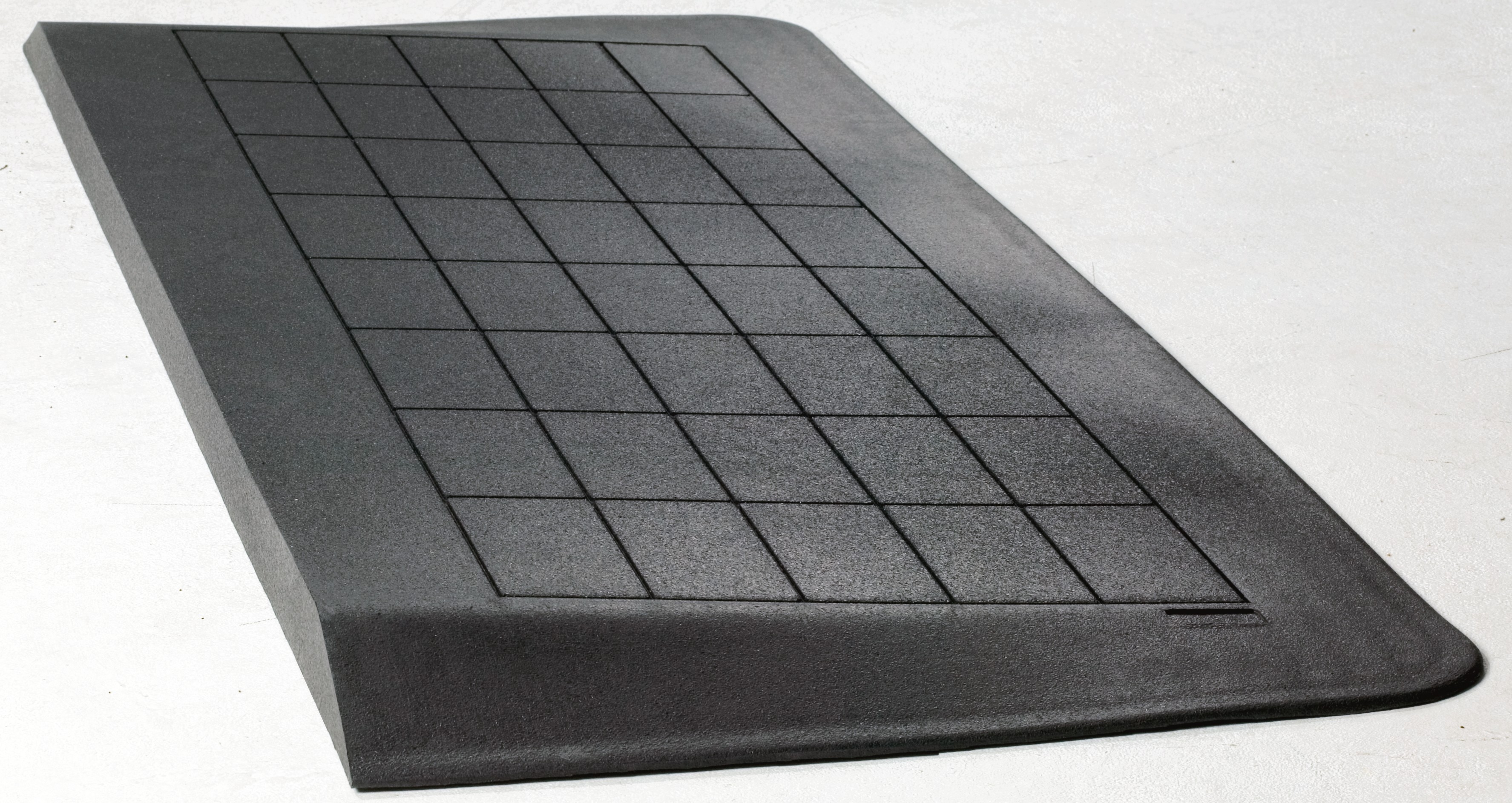
Rubber Threshold Ramp
Bridge Threshold Ramp
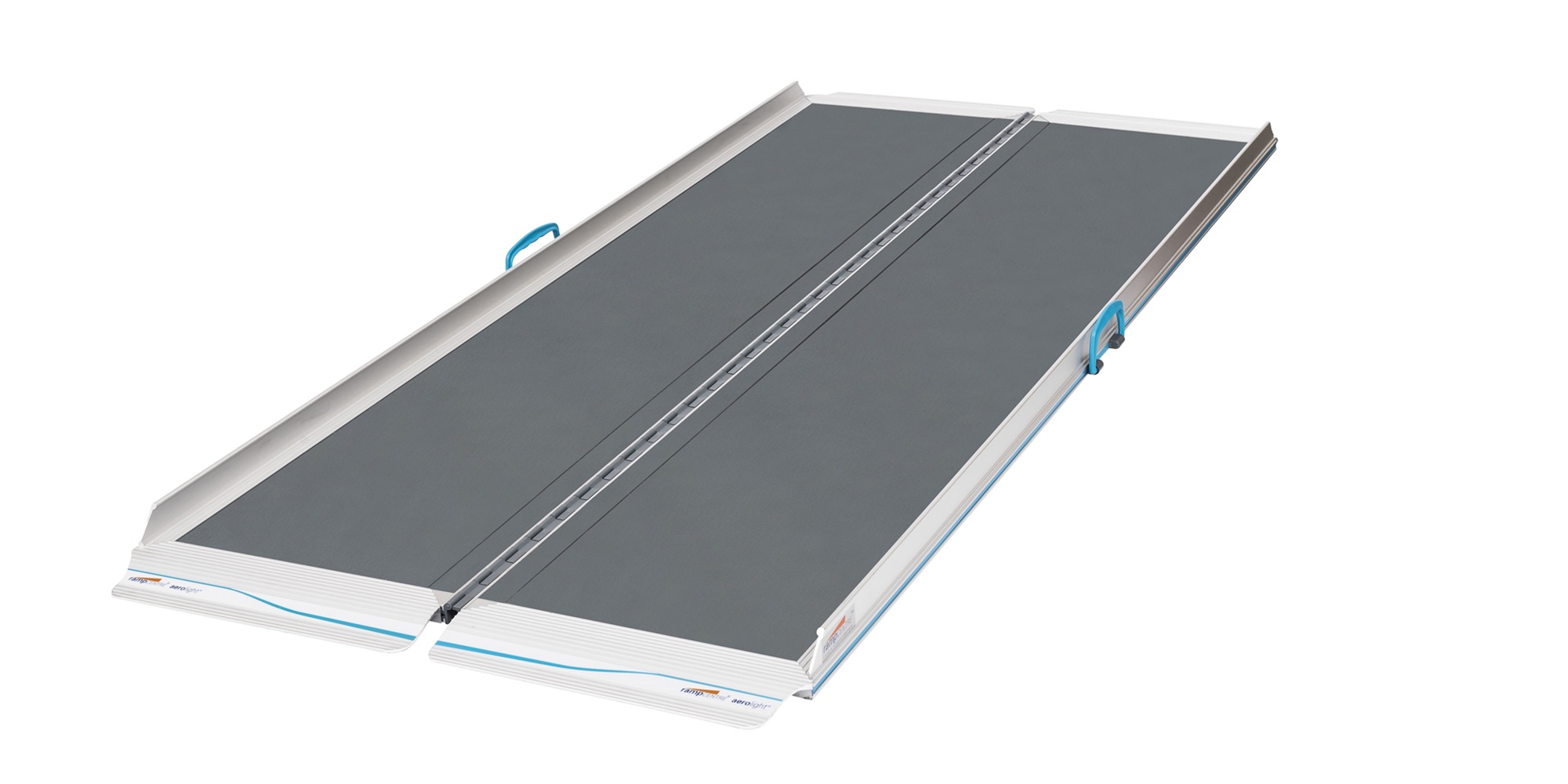
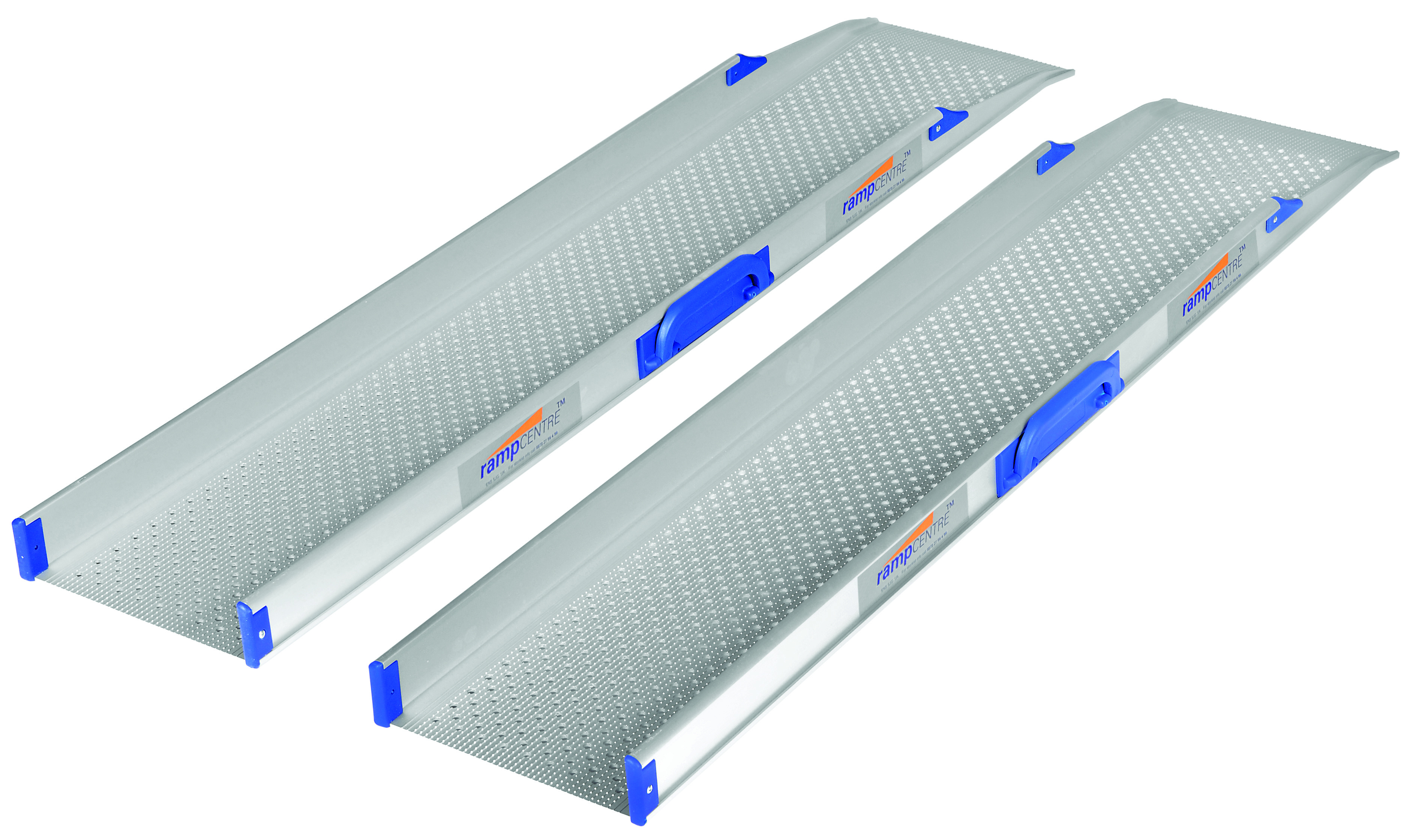
Folding / suitcase ramps — portable aluminium ramps that fold for easy transport and storage. They're ideal for carers, travel or occasional use.
Channel / narrow-width ramps — for narrow entrances or tight spaces where a full-width ramp may not fit.
Telescopic / adjustable ramps - adjustable length/height and compact for storage.
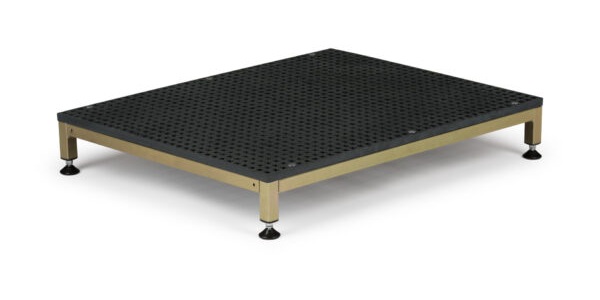
Anti-slip steps / half-steps - for cases where a ramp may not be necessary or where combining steps and ramp access can provide flexibility. These can be covered with an anti-slip rubber lattice.
Suitcase Ramp
Telescopic Channel Rams
Anti-slip Half-step
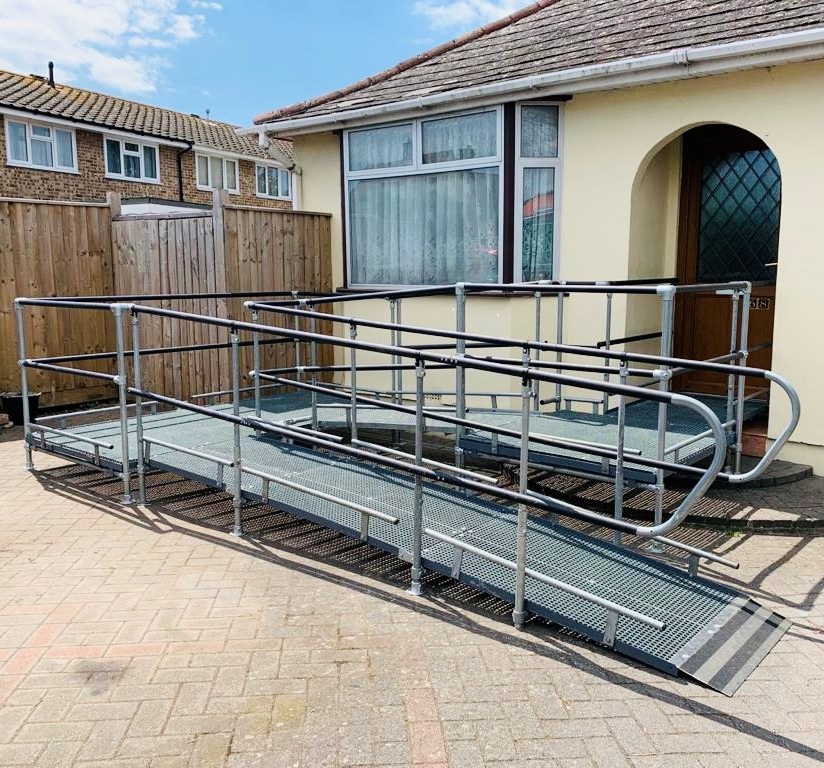
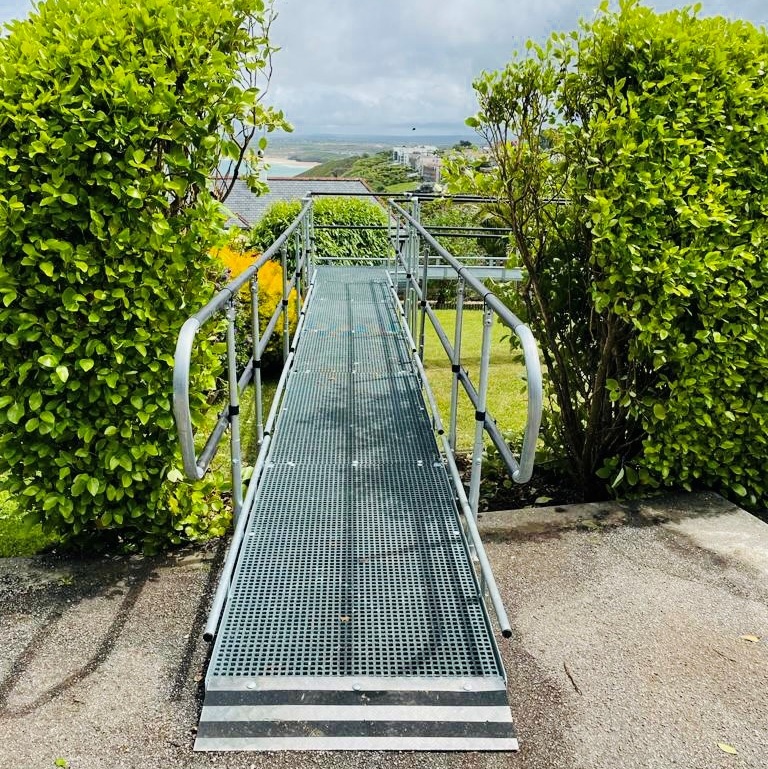
These are modular or fixed aluminium / metal ramps that can be left in place but are not traditionally built into the fabric of a building. They provide a long-term solution without committing to full building works.
Modular ramp systems are flexible, configurable ramp systems made from galvanised steel or aluminium. They can be built for specific needs including longer runs, platforms, handrails or particular gradients. The bespoke layouts and durability make them suitable for many different environments, including private homes, care homes, public buildings, social housing or institutional use.
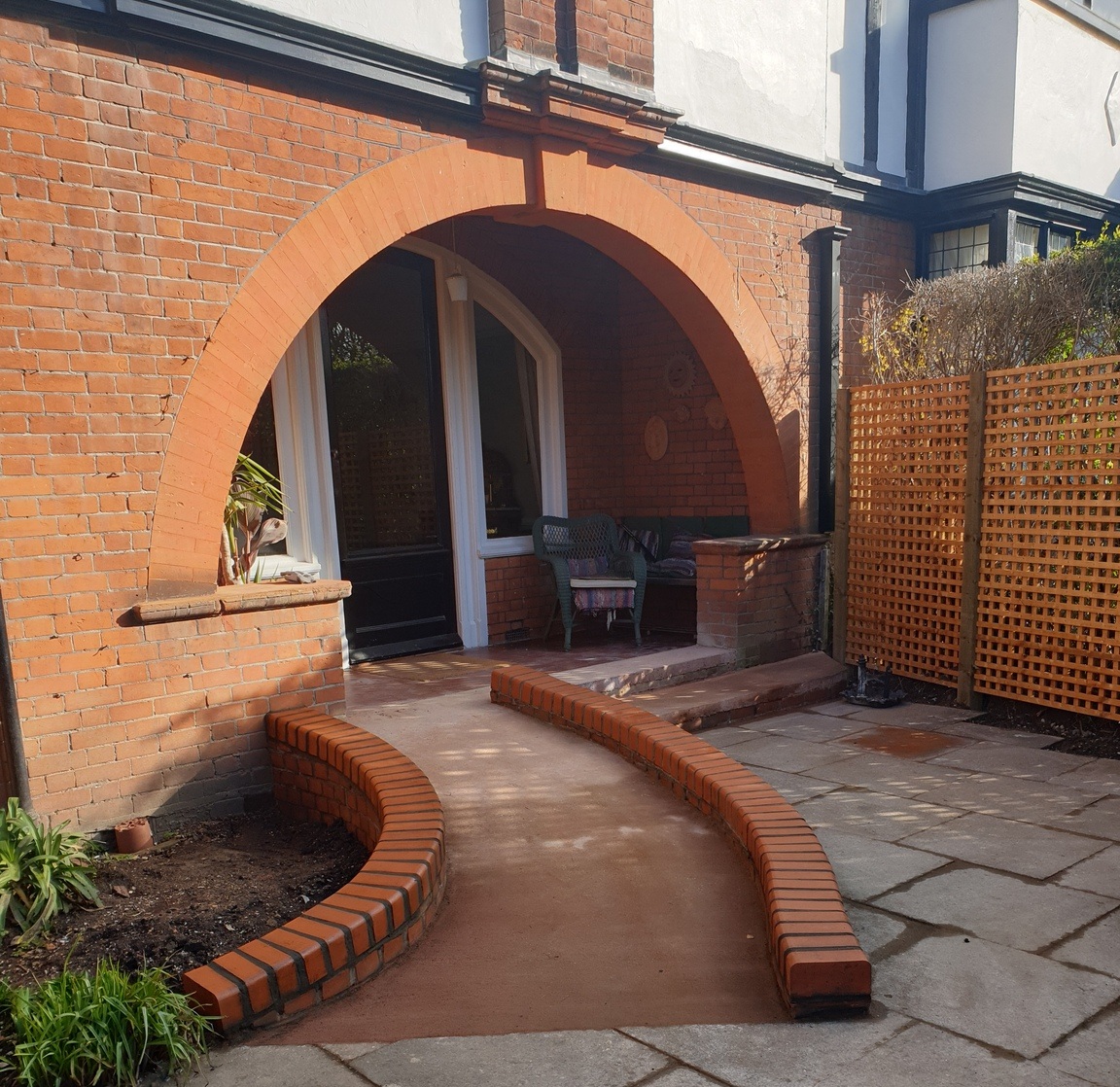
These purpose-built ramps are made on-site from wood, steel, aluminium or concrete. These are installed to comply with building requirements and offer the most durable solution for robust, long-lasting access, especially in public or commercial settings.
As well as selling portable ramps, Fortuna can help with semi-permanet and permanent rams, providing a comprehensive service including initial advice, a survey, a transparent quote and installation by our own team.
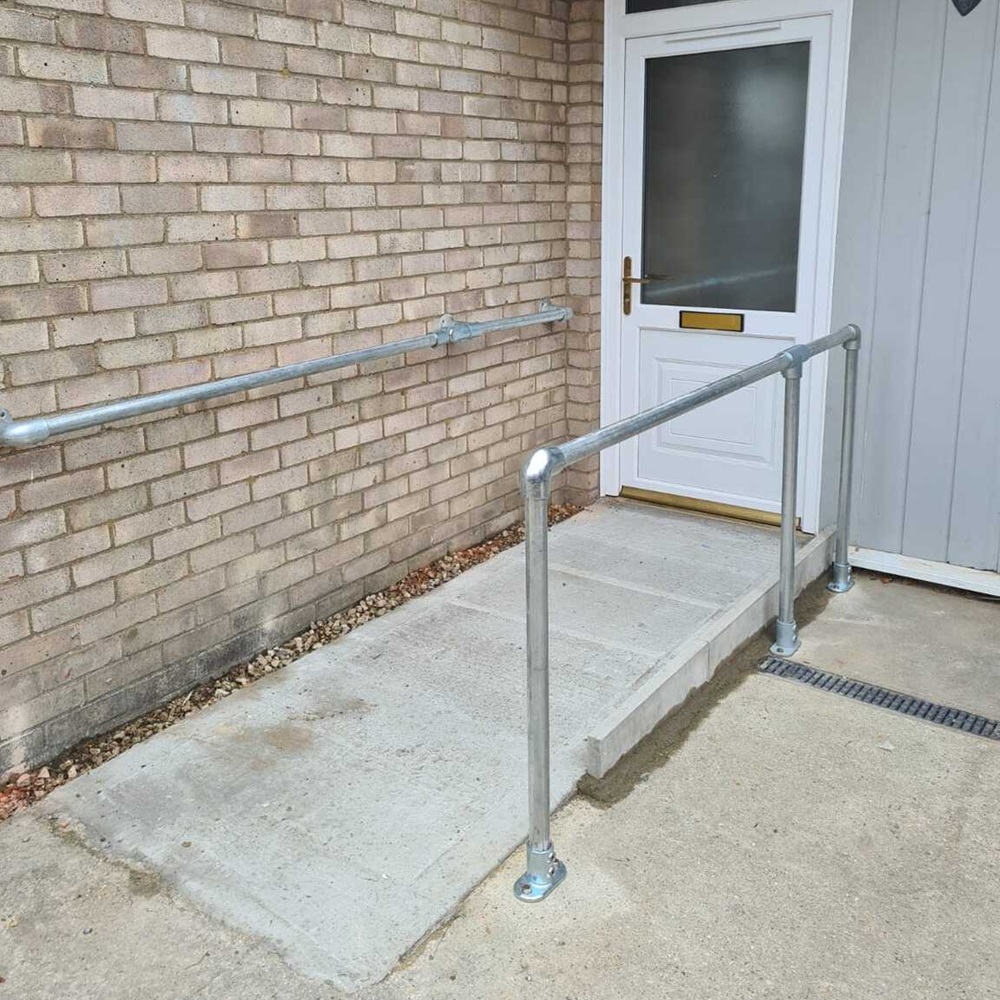
Single doorstep at home - threshold or small fixed aluminium ramp.
Occasional trips / holidays - folding or telescopic portable ramp that tucks away easily.
Longer-term home solution - fixed aluminium ramp with optional legs or a semi-permanent modular system.
Public / commercial access - bespoke permanent ramps built to comply with regulations and incorporate handrails/lighting where needed.
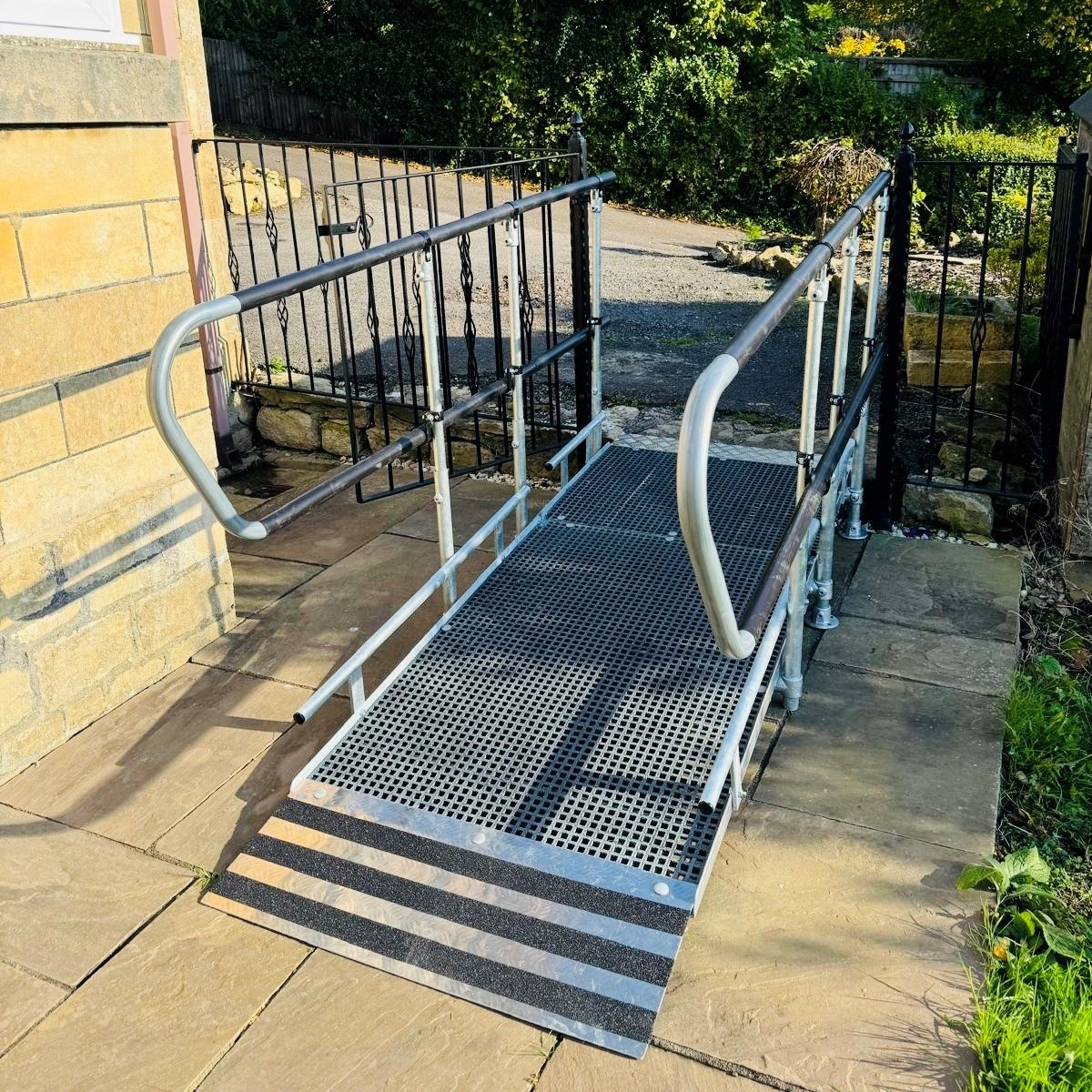
We offer end-to-end ramp services to help you make the right choice:
Retail - we have a wide range of portable ramps available in our showroom
Rental - if you only need temporary access
Site survey - our experienced team will assess your requirements and suggest a solution
Installation - we install semi-permanent and permanent ramps, including handrails and platform work
Collaboration - we work with healthcare professionals, builders and local authorities to specify safe, compliant solutions
Aftercare & maintenance - we can offer regular checks and servicing
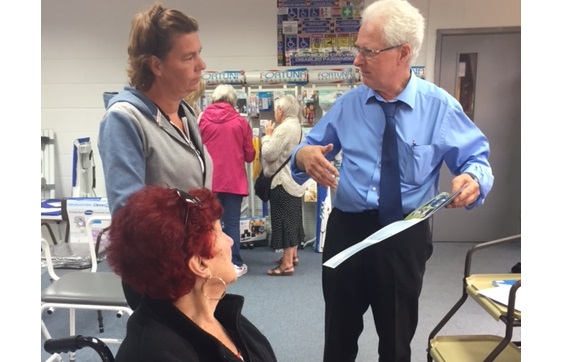
While ramps are a simple and effective way to improve access, sometimes there may be better alternatives. We can advise on whether this might be right for you.
Platform Lifts (Step Lifts)
Stair Solutions (including rails, StairSteady & stairlifts)
Through-Floor Lifts
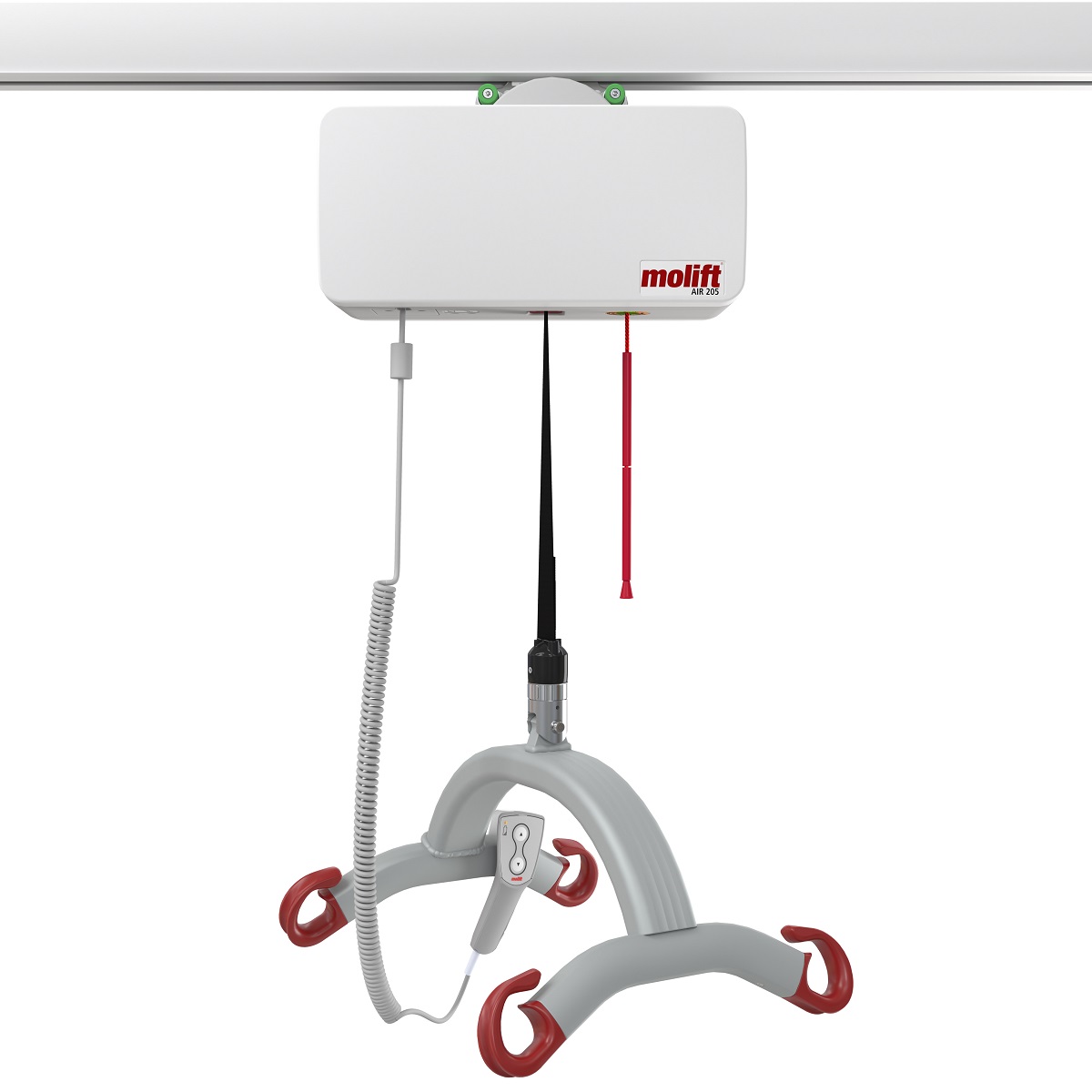
Ceiling Track Hoists
Half-Steps, Handrails and Other Aids
Regrading or Alternative Entrances
If you think you might need a ramp:
Contact us to get started
It's not essential but, if you can provide us with some basic details, it will help speed things along
- approximate rise (in mm)
- how the ramp will be used
(manual wheelchair, scooter, walker, ambulant user)
- whether you need temporary or permanent access
If you can send us pictures that will also be helpful
We can arrange a free* site survey, measuring rise, space and access points and assess best ramp options (type, gradient, width, safety features)
We can provide a written quote - detailing ramp type, installation (if required), optional extras (handrails, platform) and any compliance advice
We’ll supply and install the ramp (or deliver a portable ramp) and offer aftercare and maintenance - ensuring long-term safety and reliability
* Depending on you location there may be a fee that will be deducted if you purchase a ramp
A. Ramps can help anyone who walks unsteadly and has difficulty with a step, In addition, ramps will help with wheeled mobility equipement, like rollators | wheelchairs | powerchairs | scooters.
A. Yes, provided the ramp’s load capacity, width and surface are appropriate.
Many modular or external ramps, and some heavy-duty portable ramps, are specifically rated to support wheelchairs, scooters or powerchairs.
They can also help general users with moving heavy trolleys, carts, bikes and other wheeled devices.
A. That depends on the vertical rise of the ramp and the available space.
A gentler slope is safer, especially for wheelchair users, but requires more horizontal space.
Once we have measurements, we'll recommend a ramp length and gradient that balances safety and practicality.
A. If you're not sure what's needed, you can contact us for advice without any measurements.
However, If possible, the following information will help speed things along.
A. Many threshold and modular systems are designed so the ramp does not interfere with outward-opening doors. We can install landings, removable sections or slimline threshold ramps to make sure doors open safely.
A. Yes, they can be added to most semi-permanent (modular) and permenant ramps. In addtitons raised edges can also be added as an optional extra.
Handrails are strongly recommended wherever the ramp is used regularly or where there is a risk of wheels slipping off the ramp. In some situations handrails will provide anxious users with a sense of security and make them more willing to use the ramp.
A. Temporary and semi-permanent ramps don’t automatically need Part M compliance, but permanent ramps and works attached to a building may trigger building regulations or planning requirements. We’ll advise on this and can help you find solutions.
A. Yes. Modular ramp systems are perfect for this because their adjustable legs allow installers to create a level, stable platform even on uneven ground, slopes, gravel or garden surfaces.
A. If you have a long-term medical disability you do not have to pay VAT when you buy or rent a ramp.
You will need to provide a VAT expemption form, which we can send you,
The ramp will have to be for a private residence.
Charities do not pay VAT.
Come and see sample ramps and speak with our access specialists at:
Fortuna Mobility
4 Northgate, Crown Road, Enfield, London EN1 1TG
020 8805 2020 | info@fortunabambach.com
www.fortunamobility.com
We stock a wide range of products, with over 1000 lines available in the showroom.
Come and TRY out the products to see what suits your needs.
Our friendly highly-trained staff will help you make a choice which is right for you.
4 Northgate,
Crown Road,
Enfield,
London
EN1 1TG
United Kingdom
020 8805 2020
info@fortunabambach.com

> Contact Us > About Us > News > Terms & Conditions > T&Cs (Non-retail) > T&Cs (Rental) > FAQs
Copyright © 2026 Fortuna Mobility | All rights reserved.

.jpeg)