
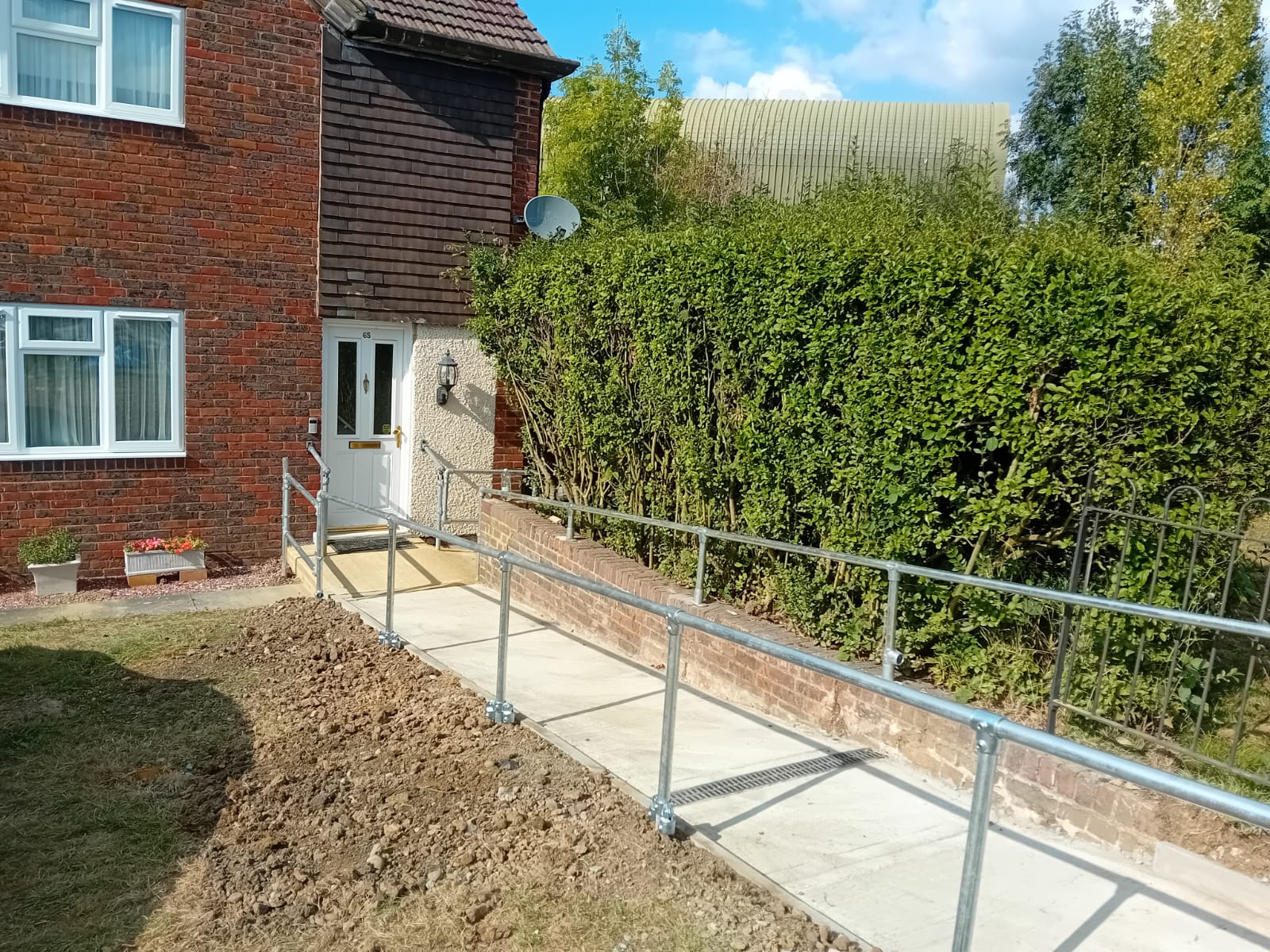
Permanent ramps are a well-established adaptation under the Disabled Facilities Grant (DFG).
A ramp will meet the criteria for eligibility if
(a) it is necessary and appropriate to meet the disabled person’s assessed needs &
(b) it is reasonable and practicable for the property.
A ramp can support independence and reduce care costs by providing a long-term access solution that supports safe step-free entry and exit from the home as well as reducing reliance on manual handling or ongoing care support.
These outcomes align with DFG objectives around independent living, prevention and long-term value.
Specific benefits of permanent ramps:
• Enable independent access to and from the property
• Reduce falls risk associated with steps and thresholds
• Minimise the need for carer assistance with transfers
• Support hospital discharge and prevent readmission
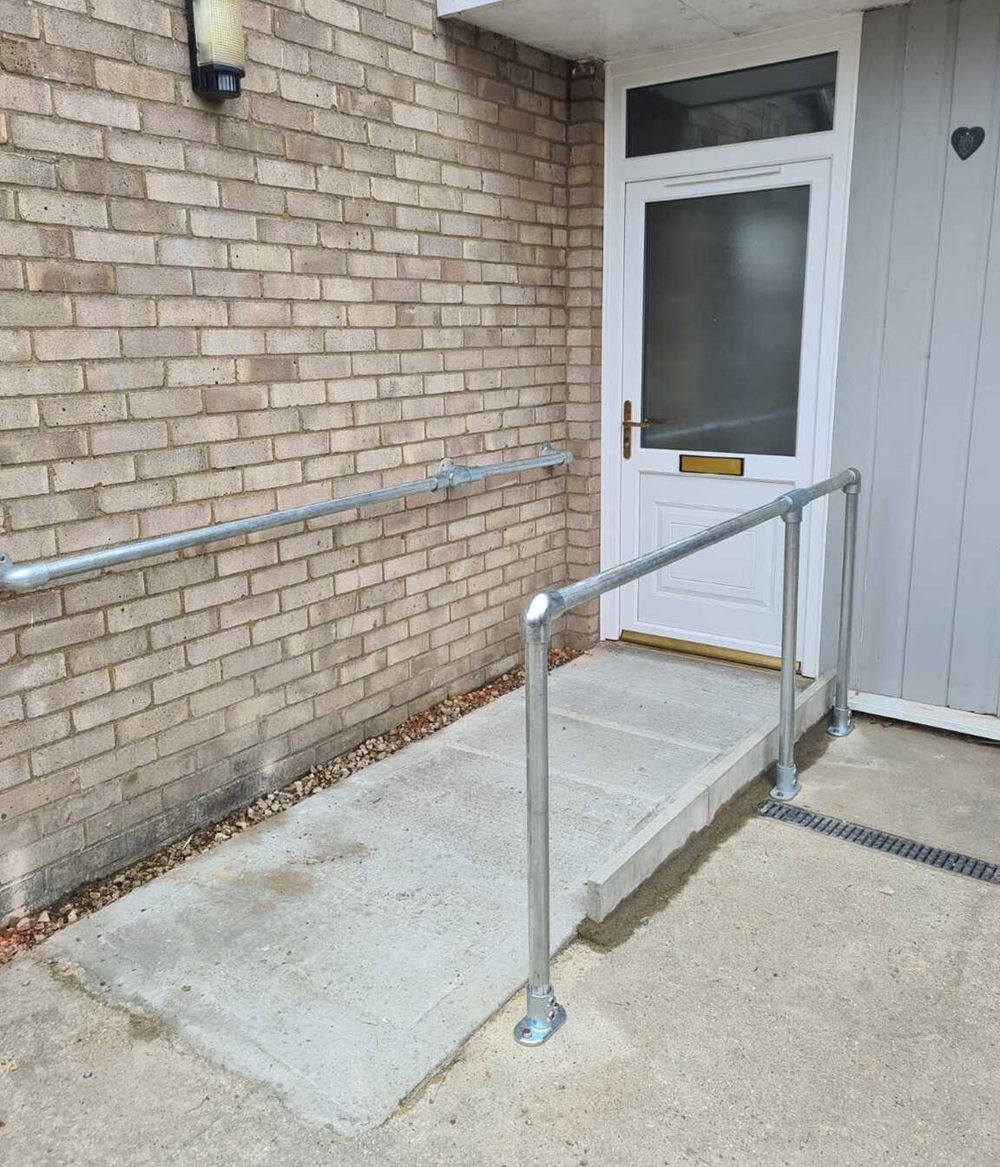
At Fortuna, we are aware of the pressures and responsibilities faced by OTs, Case Managers, and Local Authority commissioning teams. Our permanent ramp solutions are designed to meet assessed needs, provide safe, long-term access, and support independent living.
Fortuna Mobility designs and instals permanent ramps based on:
• OT recommendations and functional assessments
• The specific mobility equipment used by the client
• Property constraints and safe gradient requirements
Each ramp is tailored to the individual and property, ensuring the solution is proportionate, appropriate and defensible within a DFG framework.
Permanent ramps offer excellent long-term value due to:
• Durable construction suitable for frequent use
• Low ongoing maintenance requirements
• Reduced likelihood of repeat adaptations
Where appropriate, modular permanent ramp systems can be specified to allow future adjustment, supporting whole-life cost efficiency.
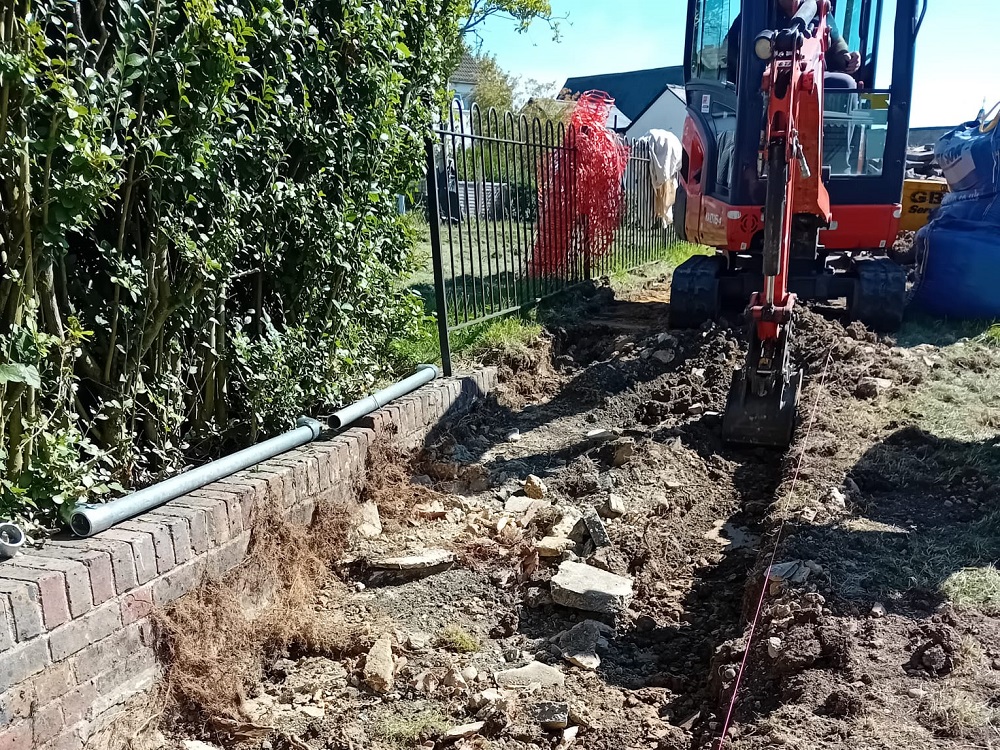
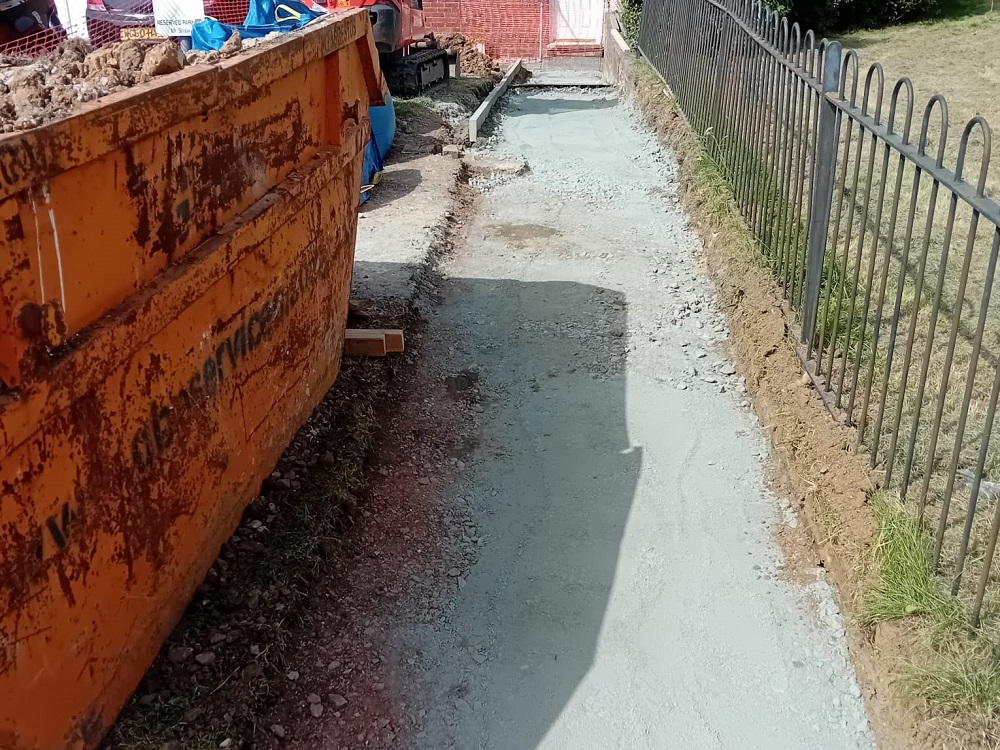
Following a survey, Fortuna will provide a detailed and competitively priced quote.
We can provide commissioning teams with:
• Detailed measurements and specifications
• Layout drawings where required
• Written descriptions to support DFG approval
and audit processes
• Clear scope of works aligned with
OT recommendations
• DFG & funding support: We provide drawings,
specifications, and documentation to simplify
approvals and audits.
This helps streamline approvals and ensures transparency throughout the adaptation process.
All permanent ramps are designed with safety and usability as a priority, with:
• Safe gradients and level landings
• Non-slip surfaces
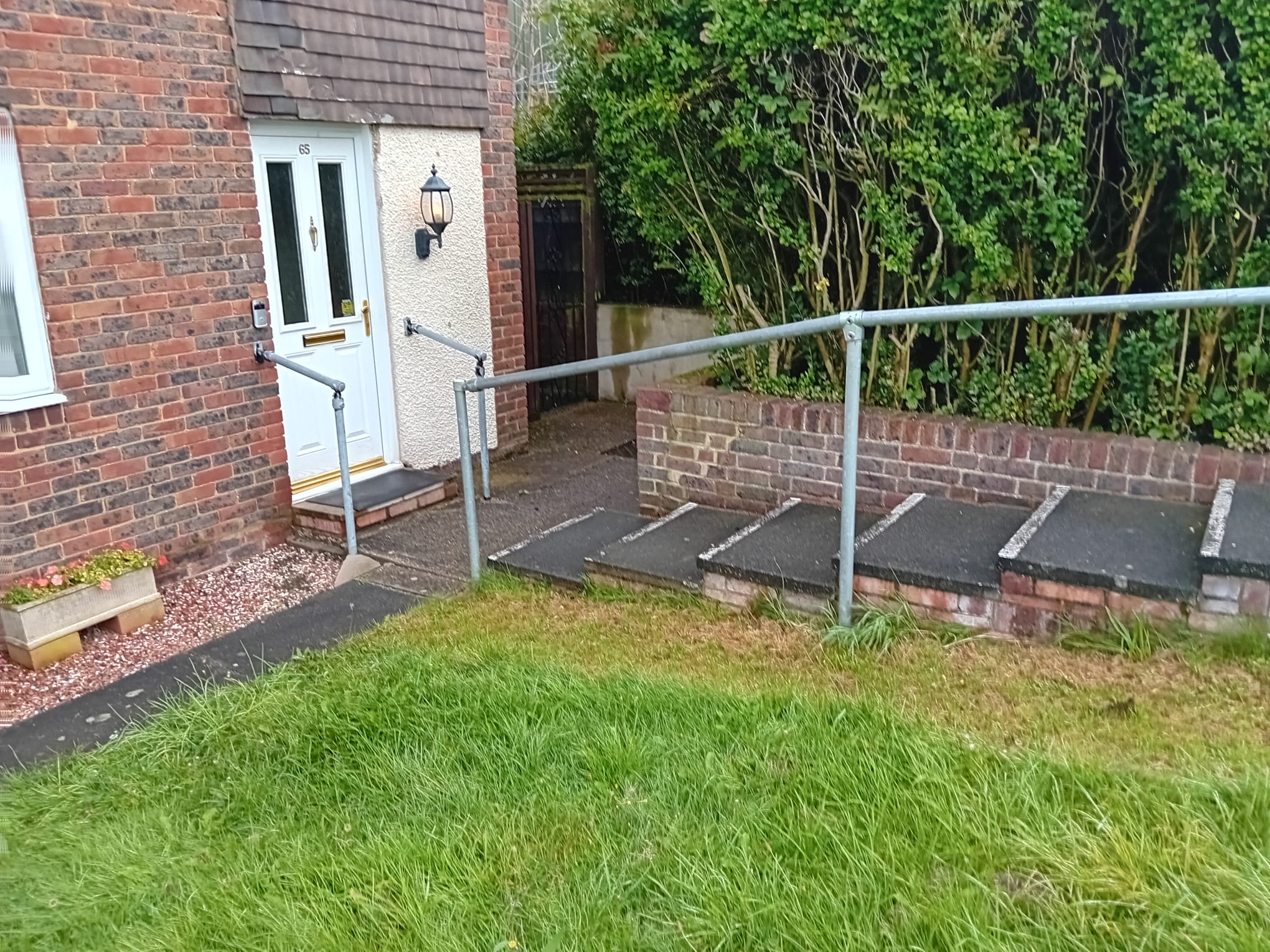
• Handrails and edge protection where appropriate
This supports risk management obligations and helps demonstrate compliance with accessibility best practice.
Our team at Fortuna has extensive experience working in publicly funded adaptations, with:
• Local Authorities and Housing Adaptations Teams
• Occupational Therapists and Case Managers
• Private homeowners using DFG funding
We understand the importance of clear communication and will provide regular upates throughout the project.
Where required, permanent ramps can be delivered alongside other DFG-funded adaptations such as:
• Handrails and stair solutions
• Level access showering
• Door widening and threshold adaptations
• Aftercare and maintenance:
ongoing support and servicing to ensure
long-term usability and safety.
This coordinated approach helps ensure a cohesive, effective access solution.
Fortuna Mobility | 4 Northgate, Crown Road, Enfield, London EN1 1TG
020 8805 2020 | adapt@fortunabambach.com | www.fortunamobility.com
A. Yes. Permanent ramps are commonly specified as part of DFG-funded adaptations where long-term, safe access is required. They provide a durable and cost-effective solution that supports independence and reduces ongoing care needs.
A. Of course. We regularly work from OT assessments, recommendations and drawings, and we are happy to liaise directly with Occupational Therapists, case managers and local authority teams to ensure the ramp meets the identified clinical and functional needs.
A. Yes. Our team carries out detailed site assessments, taking accurate measurements and considering gradients, landings, turning circles and approach routes. This information can be shared to support reports, funding applications or technical approvals.
A. Yes. Ramps can be designed to suit manual and powered wheelchairs, bariatric equipment and mobility scooters. We take into account equipment size, weight, turning requirements and the user’s level of independence.
A. Yes. Ramp gradients are carefully calculated to balance space constraints with user capability, in line with best practice guidance. Where required, intermediate landings can be incorporated to support rest and safe manoeuvring.
A. Handrails, kerbs and edge protection can be included where appropriate, based on risk assessment and user need. We will advise on the most suitable configuration for each installation.
A. In many cases, yes. Modular permanent ramp systems can be altered or extended if access requirements change, making them a practical long-term solution for progressive conditions.
A. Yes. Where required, we can provide layout drawings, specifications and supporting information to assist with approvals, tenders or funding processes.
A. All permanent ramps are designed and installed with safety, usability and durability in mind. We work in line with relevant accessibility guidance and best practice for residential and public access adaptations.
A. Yes. Fortuna Mobility installs permanent ramps in private residences, social housing, schools, care settings and commercial or community buildings.
A. Yes. We often work alongside other adaptation projects such as handrails, stair solutions, bathroom adaptations and hoists, helping to provide a coordinated and efficient access solution.
We stock a wide range of products, with over 1000 lines available in the showroom.
Come and TRY out the products to see what suits your needs.
Our friendly highly-trained staff will help you make a choice which is right for you.
4 Northgate,
Crown Road,
Enfield,
London
EN1 1TG
United Kingdom
020 8805 2020
info@fortunabambach.com

> Contact Us > About Us > News > Terms & Conditions > T&Cs (Non-retail) > T&Cs (Rental) > FAQs
Copyright © 2026 Fortuna Mobility | All rights reserved.